Ericsson & Rogers Bring Canada’s First Smart 5G Mine Network
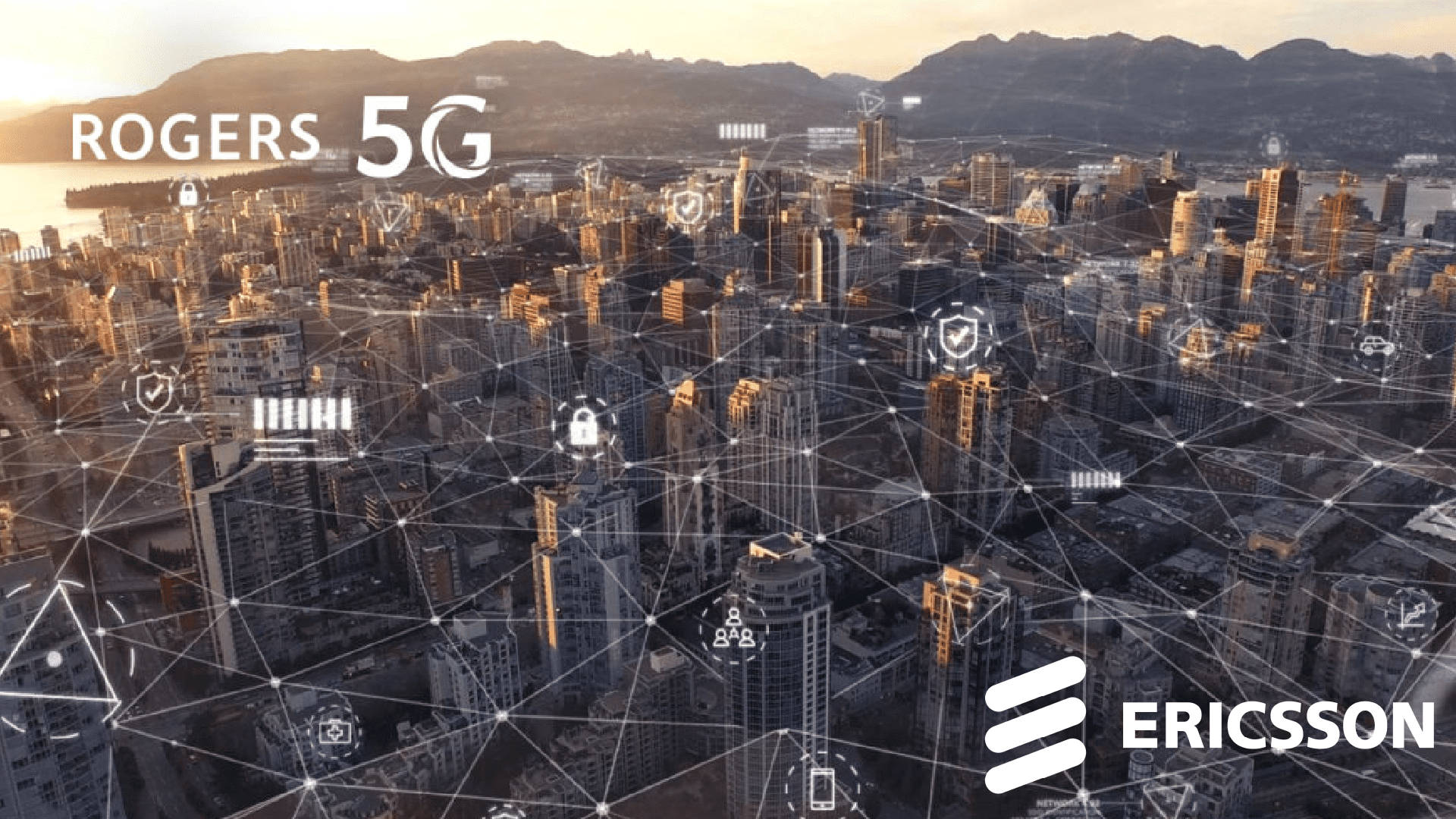
Ericsson and Rogers Communications have made a significant leap into the future of mining by deploying Canada’s first Ericsson Private 5G network at the NORCAT Underground Centre in Sudbury, Ontario. This 5G network activation marks an important step in Canada’s journey towards safer, smarter, and more efficient mining operations.
While operating inside an active mine, the private network is now providing ultra-reliable and low-latency data connectivity above and below ground – reaching even a mile underground. As the mining industry digitally transforms, this technology enables automation, remote-controlled machinery, IoT solutions, and real-time data analytics that cannot be utilized on Wi-Fi networks.
The launch of the project commenced in 2022 and recently upgraded with Ericsson’s EP5G. The size and strength of this infrastructure will allow mining companies to test and scale innovations in a real-world setting, allowing NORCAT to develop into a global center for smart mining systems.
“The NORCAT Underground Centre is more than a mine, it is an innovation lab.It joins together people designing mining technology with companies needing them to create an ecosystem that does not exist anywhere else.”
said Don Duval, CEO of NORCAT
The partnership of Rogers and Ericsson goes back over 35 years to bring one of Canada’s most critical industries together with world-class wireless infrastructure. “Private 5G at NORCAT helps move the mining sector forward,” exclaimed Adam Burley, of Rogers. “It’s where industry turns for real-world testing and validation.”
The variety of use cases for 5G is immense and life-saving, ranging from autonomous vehicles and robots that measure air quality to collision-avoidance systems to real-time LiDAR scanning.
“The mining industry [is] going through a major digital transformation. Since the introduction of 5G, the Canadian mining industry is leading the way in converting mines into smart mining operations. For example, robots that have sensors to do LiDAR scans are sent into a mine after a blast. There are sensors on the robotic vehicle that can measure the air quality to make sure it’s safe for humans to enter the mine. All this is done real time, saving lives, time, and resources. It’s sort of like the canary back in the old coal mines. If it comes out, it’s safe to go in. The Ericsson Private 5G system enables all those use cases and more. Rogers and NORCAT are now collaborating to train miners from all around the world – it’s not just limited to Canada; you have mining companies on a global scale coming to this facility.”,
says Dalia Merheb, Vice President, Head of Rogers Account, Ericsson Canada
With international mining companies now preparing their people at NORCAT, it is possible to say that this is more than connectivity—the network is starting to facilitate the recovery of the future of mining globally. Ericsson’s flexible, secure infrastructure works well with existing 4G capabilities and serves to provide bandwidth, responsiveness, and security for business-critical operations under ground.
____________________________________________________________________________________________________
Latest Stories
Salesforce Summer ’25 Release Brings Smarter AI Agents