

Human Intelligence Infrastructure Emerges as AI Framework
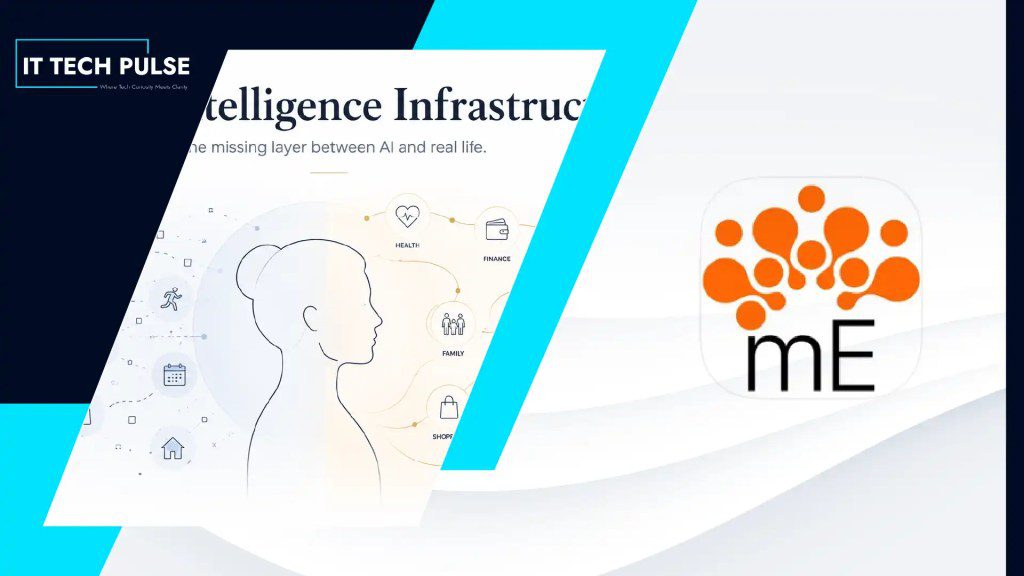
mEinstein outlines a permission-based approach designed to connect AI systems with trusted human context.
As artificial intelligence moves from chat interfaces into real-world decision-making, a new category is beginning to take shape: Human Intelligence Infrastructure.
For the last several years, the AI conversation has focused on models, compute, cloud platforms, chips, data centers, and enterprise copilots. While these technologies remain essential, they do not fully address a broader challenge: AI systems often lack trusted, persistent, real-world human context.
Most AI systems can answer prompts, summarize documents, generate content, and automate tasks. However, they often do not understand how life unfolds over time—including routines, movement, health signals, financial patterns, family needs, decisions, preferences, and intent.
Human Intelligence Infrastructure describes a framework for capturing, organizing, protecting, and permissioning human context so it can support individuals, AI systems, and enterprise workflows.
mEinstein, a mobile-native Edge Consumer AI OS, is developing its platform around this framework by creating private intelligence for individuals and, with user permission, enabling selected daily-life context to support enterprise workflows. According to the company, its approach is based on device-native intelligence, user control, consent-based participation, and enterprise-ready applications.
Also Read: Terraform vs OpenTofu: Which Infrastructure as Code Platform Should Enterprises Choose?
The framework has potential implications for consumers, enterprises, technologists, investors, and policymakers. For individuals, it is intended to support more useful personal AI while strengthening control over personal context. For enterprises, it is designed to provide permission-based signals for planning, personalization, research, and operational decision-making. For technologists, it represents a shift from prompt-based AI toward persistent, contextual intelligence. For investors, it highlights a potential infrastructure layer within the evolving AI ecosystem.
“Enterprises do not need more generic data,” said Thakuria. “They need trusted, permissioned signal tied to real workflows. The opportunity is to create that signal without turning people into inventory.”
Also Read: Infrastructure as Code Security: Why Policy as Code Is Becoming Essential
The company states that as AI becomes increasingly integrated into everyday decision-making, trusted human context may play a growing role in improving AI systems and enterprise workflows. Human Intelligence Infrastructure is intended to address that need by providing a permission-based framework that connects artificial intelligence with real-world human context.
Write to us [wasim.a@demandmediaagency.com] to learn more about our exclusive editorial packages and programmes.