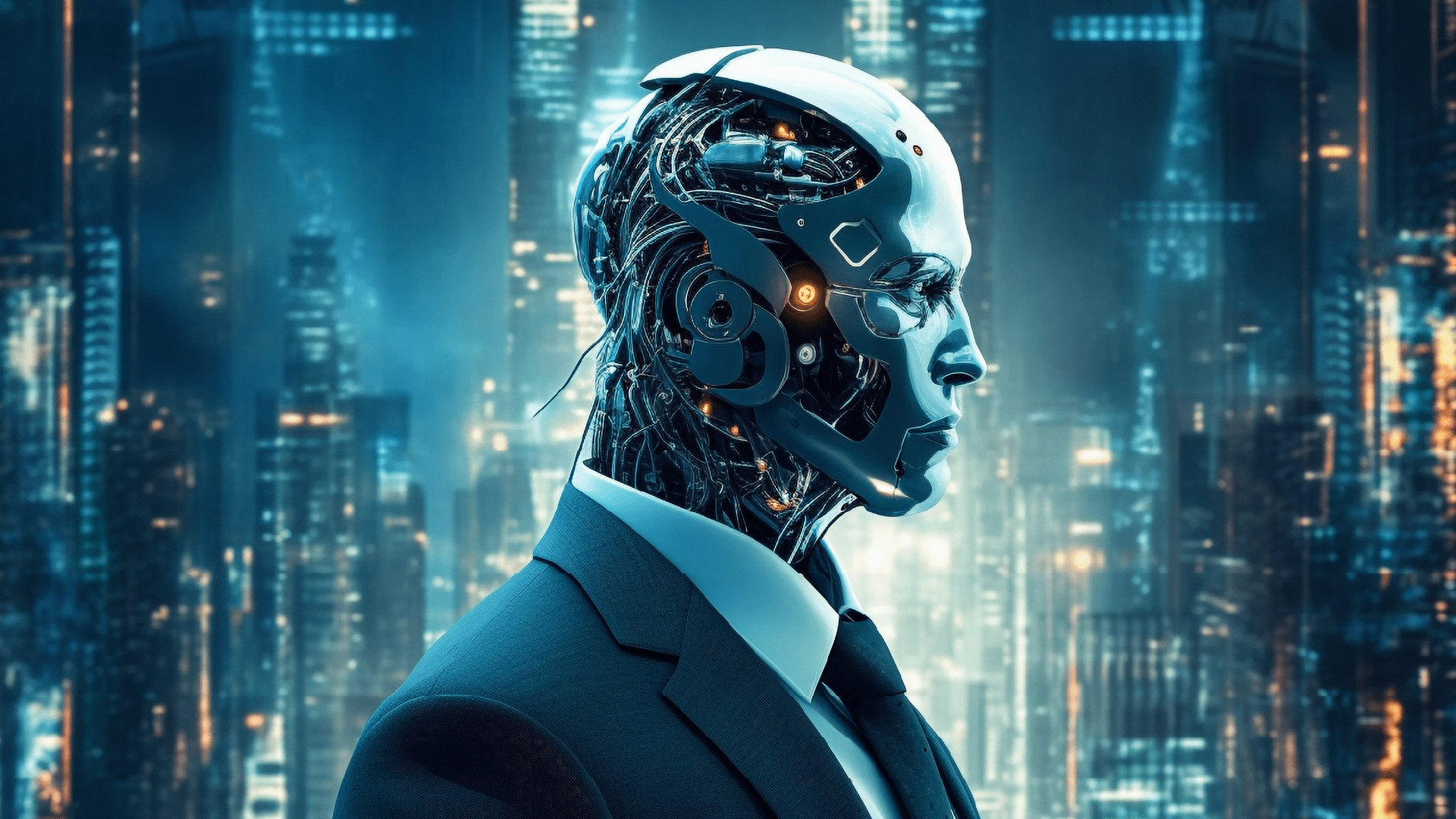

AI-Powered DevOps: From CI/CD to Continuous Intelligence
Stay updated with us
Sign up for our newsletter

DevOps transformed how software is built and delivered by enabling speed, collaboration, and automation. But as enterprise systems become more distributed, data-intensive, and AI-driven, traditional DevOps is reaching its limits.
The next evolution is already underway: AI-powered DevOps, where pipelines are no longer just automated, they are intelligent, predictive, and self-optimizing.
This shift marks the transition from CI/CD (Continuous Integration/Continuous Delivery) to what can be described as Continuous Intelligence, a model where AI continuously monitors, analyzes, and improves the entire software lifecycle.
From CI/CD to Continuous Intelligence
Traditional CI/CD pipelines focus on:
- Automating builds and deployments
- Ensuring faster release cycles
- Reducing manual intervention
However, these pipelines are still:
- Rule-based
- Reactive
- Dependent on predefined conditions
AI-powered DevOps introduces a new layer, intelligence.
Instead of just executing workflows, systems now:
- Predict failures before deployment
- Optimize pipelines dynamically
- Analyze system behavior in real time
This is where intelligent CI/CD pipelines emerge, systems that learn, adapt, and evolve continuously.
What is AI in DevOps?
AI in DevOps refers to the integration of machine learning, analytics, and automation into development and operations workflows.
It enables systems to:
- Analyze large volumes of operational data
- Detect anomalies and patterns
- Automate decision-making processes
This evolution is closely tied to AIOps (Artificial Intelligence for IT Operations), which applies AI to manage and optimize IT environments.
According to IBM, AIOps uses machine learning and data analytics to detect issues, identify root causes, and automate responses in real time, enabling faster and more proactive operations.
Also Read: Prompt Engineering to Context Engineering: The New Developer Skill Stack
AIOps vs DevOps: Understanding the Shift
While DevOps focuses on speed and collaboration, AIOps introduces intelligence into operations.
DevOps:
- Automates development and deployment
- Improves collaboration between teams
- Accelerates delivery cycles
AIOps:
- Analyzes operational data at scale
- Detects anomalies and predicts failures
- Automates incident resolution
The two are not competing approaches, they are complementary. Together, they create a system where:
DevOps builds and delivers, AIOps observes and optimizes
Intelligent CI/CD Pipelines: The New Standard
AI-powered pipelines are fundamentally different from traditional ones.
What makes them intelligent?
1. Predictive Build Optimization
AI analyzes historical build data to:
- Identify failure patterns
- Suggest improvements
- Optimize build sequences
2. Smart Testing Strategies
Instead of running all tests, AI:
- Prioritizes high-risk areas
- Reduces test execution time
- Improves coverage efficiency
3. Deployment Risk Analysis
AI evaluates:
- Code changes
- System dependencies
- Past deployment outcomes
This enables teams to predict deployment success rates before execution.
Predictive DevOps: From Reactive to Proactive Operations
One of the most powerful capabilities of AI-powered DevOps is predictive monitoring.
Traditional monitoring tells you when something breaks.
Predictive monitoring tells you what will break, and when.
AIOps platforms achieve this by:
- Analyzing logs, metrics, and events
- Identifying anomalies in real time
- Forecasting potential failures
These systems can even trigger automated responses, such as scaling resources or rerouting traffic, before users experience any disruption.
This significantly reduces downtime and improves system reliability.
Read more: LLMOps Explained: Managing Large Language Models in Production
AI-Powered DevOps for Incident Management
Incident management is one of the most critical areas where AI delivers value.
AI-powered systems can:
- Correlate events across multiple systems
- Identify root causes faster
- Automate remediation workflows
Research shows that AIOps can significantly reduce mean time to repair (MTTR) by enabling faster detection and resolution of issues.
Modern platforms are also incorporating AI-driven capabilities such as:
- Automated ticket classification
- Intelligent routing
- Virtual agents for issue resolution
Platforms like ServiceNow are integrating AI into IT service management to enable proactive and automated incident handling, improving efficiency and user experience.
Autonomous DevOps: The Rise of Self-Healing Systems
The long-term vision of AI-powered DevOps is autonomy.
Emerging systems are capable of:
- Detecting anomalies
- Diagnosing root causes
- Executing fixes automatically
This concept, often referred to as self-healing infrastructure, is becoming a reality in modern cloud environments.
Advanced AIOps frameworks are already exploring how AI agents can manage entire operational lifecycles with minimal human intervention, enabling continuous optimization at scale.
ROI of AI-Powered DevOps
The business impact of AI in DevOps extends beyond efficiency.
Key ROI Drivers:
1. Reduced Downtime
Predictive monitoring prevents outages before they occur.
2. Lower Operational Costs
Automation reduces manual effort and resource overhead.
3. Faster Incident Resolution
AI-driven insights accelerate troubleshooting and recovery.
4. Improved Developer Productivity
Teams spend less time on operational tasks and more on innovation.
Industry data suggests that a significant majority of organizations are already adopting or planning to adopt AIOps to enhance IT operations, highlighting its growing value in enterprise environments.
Also Read: From Copilots to Autonomous Agents: The Rise of Agentic AI in Enterprises
Challenges in Implementing AI-Powered DevOps
Despite its advantages, adoption comes with challenges:
1. Data Quality
AI systems require high-quality, unified data sources.
2. Integration Complexity
Legacy systems can make AI integration difficult.
3. Skill Gaps
Teams need expertise in both DevOps and AI technologies.
4. Governance and Trust
Organizations must ensure transparency and accountability in AI-driven decisions.
Designing an AI-Powered DevOps Strategy
To successfully adopt AI in DevOps, enterprises should focus on:
1. Observability First
Ensure visibility across systems, logs, and metrics.
2. Start with High-Impact Use Cases
Focus on areas like incident management and monitoring.
3. Integrate AI Gradually
Augment existing pipelines before moving to full autonomy.
4. Align with Business Outcomes
Measure success based on performance, reliability, and cost savings.
Key Questions Answered
What is AI-powered DevOps?
AI-powered DevOps integrates artificial intelligence into development and operations workflows to automate, optimize, and predict system behavior.
What is AIOps vs DevOps?
DevOps focuses on software delivery, while AIOps uses AI to optimize IT operations and system performance.
How does predictive monitoring work in DevOps?
It uses machine learning to analyze historical and real-time data to forecast potential issues and trigger proactive responses.
DevOps is No Longer Just About Delivery
DevOps began as a movement to accelerate software delivery.
AI is turning it into something far more powerful, a system that continuously learns, predicts, and improves itself.
The shift from CI/CD to Continuous Intelligence represents a deeper transformation:
- From automation → to intelligence
- From reactive → to predictive
- From pipelines → to adaptive systems
Enterprises that embrace AI-powered DevOps will not just deploy faster; they will operate smarter.
Because in the next generation of software systems, the real advantage will not be how quickly you release, but how intelligently you run.