The Future of Software Engineers in an AI-Native World
Stay updated with us
Sign up for our newsletter
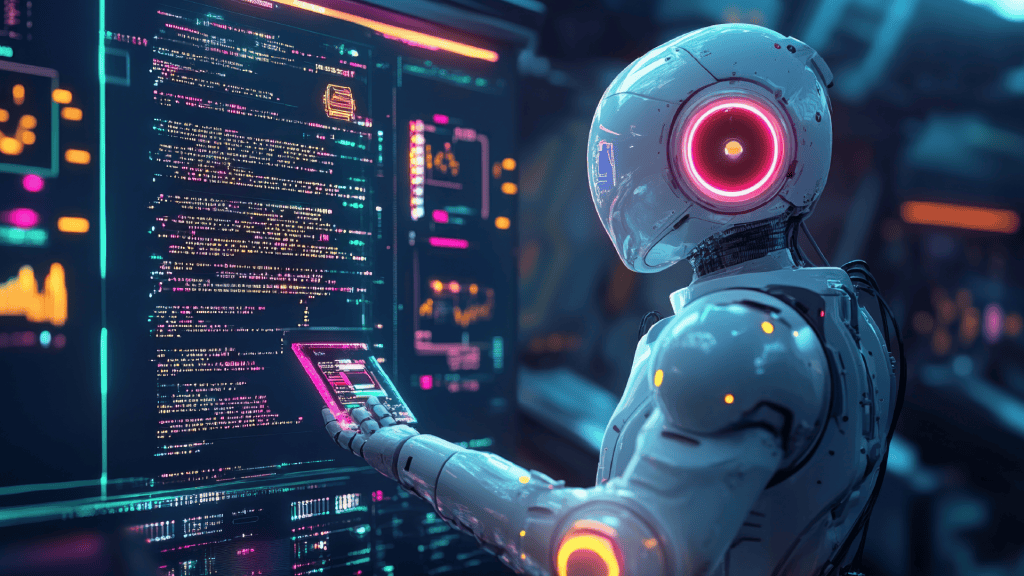
AI is changing the role of software engineers because it shifts effort from manual coding to higher-level problem-solving and system design. As AI-native development environments mature, engineers no longer spend most of their time writing repetitive code. Instead, they define intent, guide systems, and validate outcomes.
This shift is driven by the increasing capability of AI tools to generate code, analyse patterns, and assist with debugging. As a result, engineering transformation is less about replacing effort and more about reallocating it. The focus moves from syntax to architecture, from execution to orchestration. Engineers are no longer just writing code; they are defining systems that generate, evaluate, and evolve code over time.
Is AI Replacing Developers or Transforming Their Work?
AI is not replacing developers; it is transforming how they work. The idea of AI replacing developers is a widely discussed concern, but the reality is more nuanced. The AI replacing developers’ myth overlooks the fact that software development involves judgment, trade-offs, and system-level thinking that AI cannot fully replicate.
AI can generate code, but it cannot fully understand business context, long-term system implications, or organisational constraints. Engineers remain responsible for validating outputs, ensuring reliability, and aligning systems with goals. Rather than eliminating roles, AI changes the nature of contribution. In practice, developers are becoming reviewers, architects, and system validators rather than just code writers.
Read More: AI-Native Architecture: Designing Systems for Intelligence First
What Does the Future of Software Engineers in AI Look Like?
The future of software engineers in AI involves a shift toward design, integration, and decision-making. Engineers will increasingly act as system architects who define workflows, guide AI systems, and ensure outcomes align with requirements.
Instead of writing every function manually, engineers will focus on composing systems that integrate AI capabilities with traditional software. This includes defining interfaces, managing data flows, and ensuring system reliability. The future of software engineers in AI is therefore less about writing code line by line and more about shaping intelligent systems that can adapt and evolve. Engineers will spend more time asking the right questions than writing the first line of code.
How Does Human-AI Collaboration Change Development Workflows?
Human AI collaboration development changes workflows by introducing continuous interaction between engineers and AI systems throughout the development lifecycle. Instead of linear processes, development becomes iterative and feedback driven.
For example, developers may generate initial code using AI tools, review outputs, refine prompts, and iterate until the solution meets requirements. Debugging also changes, with AI assisting in identifying issues and suggesting fixes. Human AI collaboration development, therefore, transforms development into a cooperative process where engineers guide AI systems while maintaining control over outcomes. The quality of outcomes increasingly depends on how well engineers guide, question, and refine AI outputs.
What Is AI-Augmented Engineering in Practice?
AI augmented engineering refers to the integration of AI tools into everyday engineering tasks to enhance productivity and decision-making. In practice, this means using AI for code generation, testing, documentation, and analysis while maintaining human oversight.
Engineers may use AI to draft code, generate test cases, or analyse logs. However, they remain responsible for validating results and ensuring quality. AI augmented engineering does not remove responsibility; it changes how work is performed.
This approach allows teams to move faster while maintaining standards. It also shifts effort toward higher-value activities such as system design, optimisation, and innovation. Over time, AI becomes a standard layer in engineering workflows rather than an optional tool.
Read More: From Copilots to Autonomous Agents: The Rise of Agentic AI in Enterprises
What Skills Will Define Software Engineers in an AI-Native World?
Software engineers in an AI-native world will need a combination of technical and cognitive skills. While coding remains important, skills such as system design, critical thinking, and prompt engineering become increasingly valuable.
Engineers must understand how to guide AI systems effectively, evaluate outputs, and manage trade-offs. Knowledge of data flows, model behaviour, and system integration also becomes essential. Communication skills gain importance as engineers collaborate across teams and define requirements clearly.
The emphasis shifts from writing code to understanding systems, making decisions, and ensuring reliability in complex environments. Adaptability and continuous learning also become critical as tools and workflows evolve rapidly.
How Will Engineering Teams and Culture Evolve?
Engineering teams will evolve toward more collaborative and interdisciplinary structures. As AI becomes part of development workflows, teams will include roles focused on AI integration, validation, and governance.
Culture will shift from individual coding output to collective system ownership. Engineers will spend more time reviewing AI-generated outputs, discussing design decisions, and ensuring alignment with business goals. This change encourages shared responsibility and continuous learning.
AI-native development also requires teams to adopt new practices, such as monitoring AI behaviour, managing prompts, and integrating AI into CI/CD pipelines. These changes redefine how teams operate and collaborate while encouraging a culture of experimentation and iteration.
What Risks and Misconceptions Should Enterprises Avoid?
Enterprises should avoid the misconception that AI can fully replace engineers. The AI replacing developers’ myth can lead to unrealistic expectations and poor decision-making. Over-reliance on AI without proper oversight may introduce errors, security risks, and unreliable systems.
Another risk is underestimating the importance of governance. AI-generated outputs must be validated, monitored, and aligned with organisational standards. Enterprises must also invest in training engineers to work effectively with AI tools.
Ignoring these factors can lead to inefficiencies rather than improvements. Successful adoption requires a balanced approach that combines AI capabilities with human expertise and clearly defined accountability.
Read More: LLMOps Explained: Managing Large Language Models in Production
Redefining the Role of Engineers in an AI-Native Era
The future of software engineers in AI is defined by evolution, not replacement. AI introduces new capabilities, but it also increases the importance of human judgment, system design, and collaboration.
Organisations that embrace human AI collaboration development and AI augmented engineering can build more efficient and adaptable systems. The most effective engineering teams will not compete with AI but will learn how to direct it, shaping systems that are both intelligent and reliable.